
How to Make Gifts Feel Personal: 7 Thoughtful Ideas
By Editorial Team
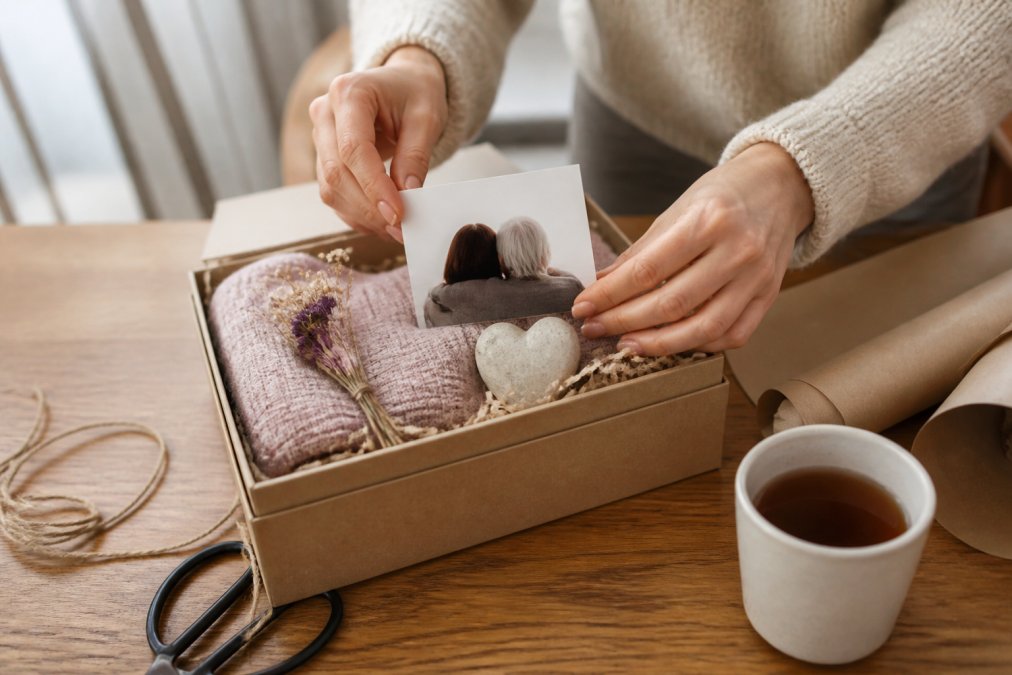
Learn how to make gifts feel personal with comfort tokens, heartfelt messages, and small tokens of appreciation. Discover ideas for long-distance loved.
Table of Contents
- What Makes a Gift Feel Personal?
- What Is a Comfort Token and Why Does It Matter?
- How to Write a Thoughtful Gift Message That Lands
- Sentimental Gift Ideas for Long Distance: Beyond the Parcel
- Small Tokens of Appreciation: Choosing Meaning Over Price
- Common Mistakes That Make Gifts Feel Impersonal
- How to Choose the Right Personal Gift Every Time
- Frequently Asked Questions
Last Updated: September 5, 2026
What Makes a Gift Feel Personal?
A gift feels personal when it speaks to a specific moment, memory, or need that only you and the recipient share. It is not about the price tag or the size of the box; it is about the signal that you were paying attention. When someone opens a present and immediately thinks of a private joke, a shared loss, or a comfort they desperately needed last month, you have succeeded in making gifts feel personal.
At Pocket Hugs, we spend our days thinking about this exact challenge: how to translate affection into a tangible object when you cannot be there in person. The most effective personal gifts act as a physical anchor for an inside story. They say, "I remember that Tuesday you were anxious about the interview," rather than "Happy Birthday." The difference is specificity, and it is the single highest predictor of whether a gift gets treasured or relegated to a drawer.
What Is a Comfort Token and Why Does It Matter?
A comfort token is a small, portable object that carries emotional significance, designed to be held or carried during moments of stress, transition, or loneliness. Unlike a decorative ornament that sits on a shelf, a comfort token is meant for pockets, handbags, or bedside tables. It matters because it offers a tactile reminder of connection when words and video calls are not enough.
The psychology here is straightforward. Physical objects can evoke the presence of a loved one more reliably than a text message (apa.org). When a grandmother holds a smooth, hand-finished keepsake that her granddaughter also touched, the distance between them narrows. This is why comfort tokens have become a staple for families separated by geography, particularly for grandparents who may find digital communication less satisfying than a tangible object they can hold.
How to Write a Thoughtful Gift Message That Lands
The message accompanying a gift is often the difference between a lovely present and a deeply personal one. A thoughtful gift message should reference one specific memory, acknowledge the recipient's current situation, and state plainly what they mean to you. Avoid generic phrases like "Thinking of you" and instead write, "I remember how you calmed me down before my exams, and I hope this does the same for you."
Structure your note in three parts. First, name the moment or feeling you are responding to. Second, explain why you chose this particular item. Third, offer a forward-looking wish that connects to their future. Keep it under 150 words; brevity forces clarity and prevents the message from becoming a rambling essay (psychologytoday.com).
- The Hook: "I noticed you have been working late all month."
- The Why: "This is to remind you that your desk at home is where you get to rest."
- The Wish: "I hope it makes your next deadline feel a little lighter."
Sentimental Gift Ideas for Long Distance: Beyond the Parcel
For long-distance relationships, the challenge is making gifts feel personal when you cannot share the same space. The best sentimental gift ideas for long distance focus on creating a shared ritual or a physical connection across the miles. A matching pair of items, where you keep one half and send the other, turns a single gift into an ongoing conversation. Wearing or carrying your half makes you think of them carrying theirs.
Consider gifts that involve the senses beyond sight. An item that carries your scent, a playlist you curated with a handwritten tracklist, or a small token that you have kept in your own pocket for a week before posting it. The act of "warming up" the gift with your own presence before sending adds a layer of intimacy that factory-shipped parcels lack.

Small Tokens of Appreciation: Choosing Meaning Over Price
Small tokens of appreciation are often dismissed as "trinkets," but that misses their entire purpose. A token is not a replacement for a grand gesture; it is a low-pressure way to say "I see you" without the weight of expectation that comes with expensive gifts. The key is choosing an item that aligns with the recipient's daily life, not your own aesthetic preferences.
A common mistake is buying something generic like a candle or a mug and assuming the thought counts. It does not. Instead, observe their habits. Do they always have a mint before a stressful call? Do they clutch a particular pen during meetings? A small token that slots into an existing routine will be used and appreciated, whereas a decorative item will likely gather dust (sciencedirect.com).
| Token Type | Best For | Why It Works |
|---|---|---|
| Pocket keepsake | Anxiety or transition moments | Portable comfort during the day |
| Handwritten letter | Milestones and apologies | Creates a permanent record of feeling |
| Shared half of a pair | Long-distance partners | Creates a daily connection ritual |
| Practical item upgrade | Busy professionals | Shows you notice their daily grind |
Common Mistakes That Make Gifts Feel Impersonal
The fastest way to make gifts feel personal is to stop making the errors that scream "I bought this in a rush at the petrol station." The most common mistake is prioritising the "reveal" over the "reason." A gift that looks impressive under wrapping paper but has no connection to the recipient's life is forgettable within a week. The second most common error is over-personalising the packaging while neglecting the message inside. Fancy ribbon and a custom gift tag mean nothing if the note reads "Happy Birthday, love from [Name]."
Another frequent misstep is giving a gift that reflects what you want the recipient to enjoy, rather than what they actually enjoy. Buying a cookbook for someone who hates cooking because you love cooking is a classic failure. Finally, avoid the trap of "upgrading" a personal gift into something generic by adding a brand logo or a mass-produced insert. The personal touch is diluted the more commercial the presentation becomes.
How to Choose the Right Personal Gift Every Time
Choosing the right personal gift requires a simple shift in perspective: ask what the recipient needs right now, not what you want to give them. Start by listing three things you know about their current life. A recent stressor, a small victory, or a recurring annoyance. Then ask which of those three you can address with a physical object. That object is your gift.
For most people, the answer is a small, portable token that offers comfort during a known difficult moment. This is where a hand-finished keepsake from Pocket Hugs fits naturally. Our gifts are designed to be carried everywhere and are made to be held, not just displayed. Because they arrive letterbox-friendly, they suit the spontaneity of a "just because" gift, which often feels more personal than a scheduled birthday present. When you cannot be there to offer a hug, a physical token that fits in a pocket is the closest alternative.
The final test before you buy: if the recipient lost the gift tomorrow, would they be genuinely upset? If the answer is no, keep looking. A truly personal gift creates an emotional dependency that no amount of money can replace.
Frequently Asked Questions
What makes a gift feel personal?
A gift feels personal when it shows you know the recipient as an individual. This means referencing shared memories, inside jokes, or their specific interests rather than picking a generic present. The thought lies in the details: a colour they love, a place they miss, or a phrase only they would understand. Handwritten notes and hand-finished touches also help. When the recipient sees that you have paid attention to who they are, the gift itself becomes secondary to the care behind it.
What is a comfort token and why does it matter?
A comfort token is a small, portable object that carries emotional significance and provides reassurance when carried or held. It matters because it offers a tangible connection to a loved one during stressful moments, transitions, or periods of separation. Unlike larger gifts, a comfort token fits in a pocket or bag, so the recipient can keep it close throughout the day. The physical presence of the token serves as a quiet reminder that someone cares, which can be especially meaningful for those experiencing anxiety or loneliness.
How do you show someone you care through a gift?
You show someone you care by focusing on their emotional needs rather than the monetary value of the present. Start by thinking about what the person is currently going through and what would genuinely comfort them. A thoughtful message that explains why you chose the item adds significant meaning. The delivery method also matters: a letterbox-friendly gift that arrives at their door shows you considered their convenience. The goal is to make the recipient feel seen, remembered, and supported, not just gifted.
Is a handwritten note enough to make a gift feel personal?
A handwritten note is often the most powerful part of a personal gift, but it works best when paired with a thoughtful item. The note provides context and emotion, explaining why you chose the gift and what it represents. On its own, a note can feel deeply personal if it references specific memories or feelings. However, combining it with a small token gives the recipient something physical to keep beyond the message. Together, the note and the gift create a lasting keepsake that reinforces your connection.